Commercial Property – Essential Insights for Builders and Designers
When working with commercial property, a real‑estate asset used for business activities such as offices, retail, or industrial operations. Also known as commercial real estate, it forms the backbone of many modern economies. A commercial building, the physical structure that houses the commercial property must follow strict zoning regulations, local rules that dictate allowed uses, height limits, parking ratios, and setbacks. These rules influence everything from the floor plan to the façade. Because of that, owners often engage a full suite of architectural services, studies that cover design concept, construction documents, and project management to translate the legal framework into functional space. Meanwhile, property development, the process of acquiring land, securing approvals, and delivering a finished asset ties together finance, market analysis, and construction. In short, commercial property brings together regulation, design, and investment, and each piece affects the others.
Key Factors to Consider When Planning a Commercial Property
First, understand the intended occupancy type—office, retail, warehouse, or mixed‑use—because each class has its own fire safety standards, load‑bearing requirements, and tenant expectations. Next, map the zoning map early; a mismatch can stall permits and add costly redesigns. Third, budget for a full architectural service. A feasibility study can reveal hidden site constraints, while detailed drawings help contractors stay on schedule and avoid change orders. Fourth, factor in lifecycle costs: energy‑efficient glazing, durable flooring, and easy‑maintain wall finishes save money over decades. Finally, think about future flexibility. A well‑planned column layout and modular partitions let owners adapt the space as market needs shift, protecting the investment.
The articles below pull together real‑world examples and step‑by‑step advice that match these themes. You’ll find explanations of what makes a commercial building distinct, how zoning shapes design decisions, the value of full architectural services, and tips for developers looking to maximize returns. They also cover related topics like construction salaries, interior trends, and cost‑effective extensions that often intersect with commercial projects. Dive in to get the practical knowledge you need before you start sketching plans, applying for permits, or signing a lease.
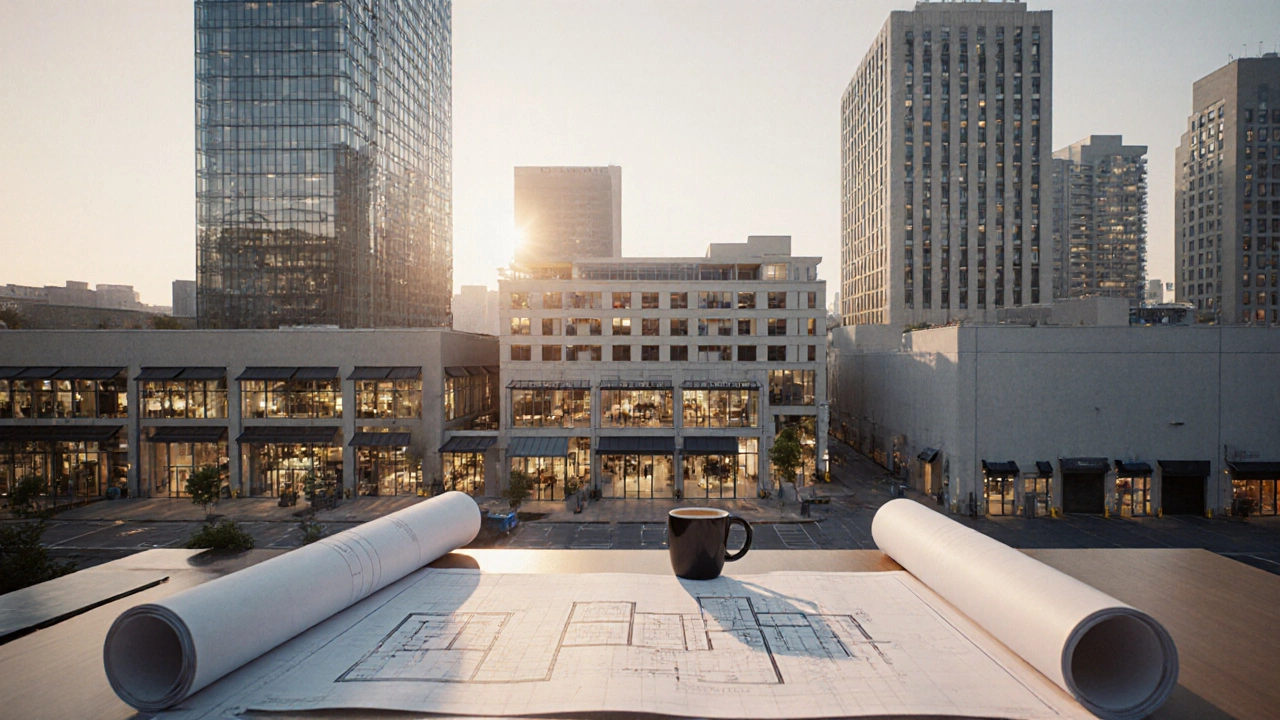
What Is Considered Commercial Construction? Definition, Types & Real‑World Examples
Learn exactly what counts as commercial construction, its main types, key regulations, and how to classify mixed‑use projects correctly.
Continue Reading